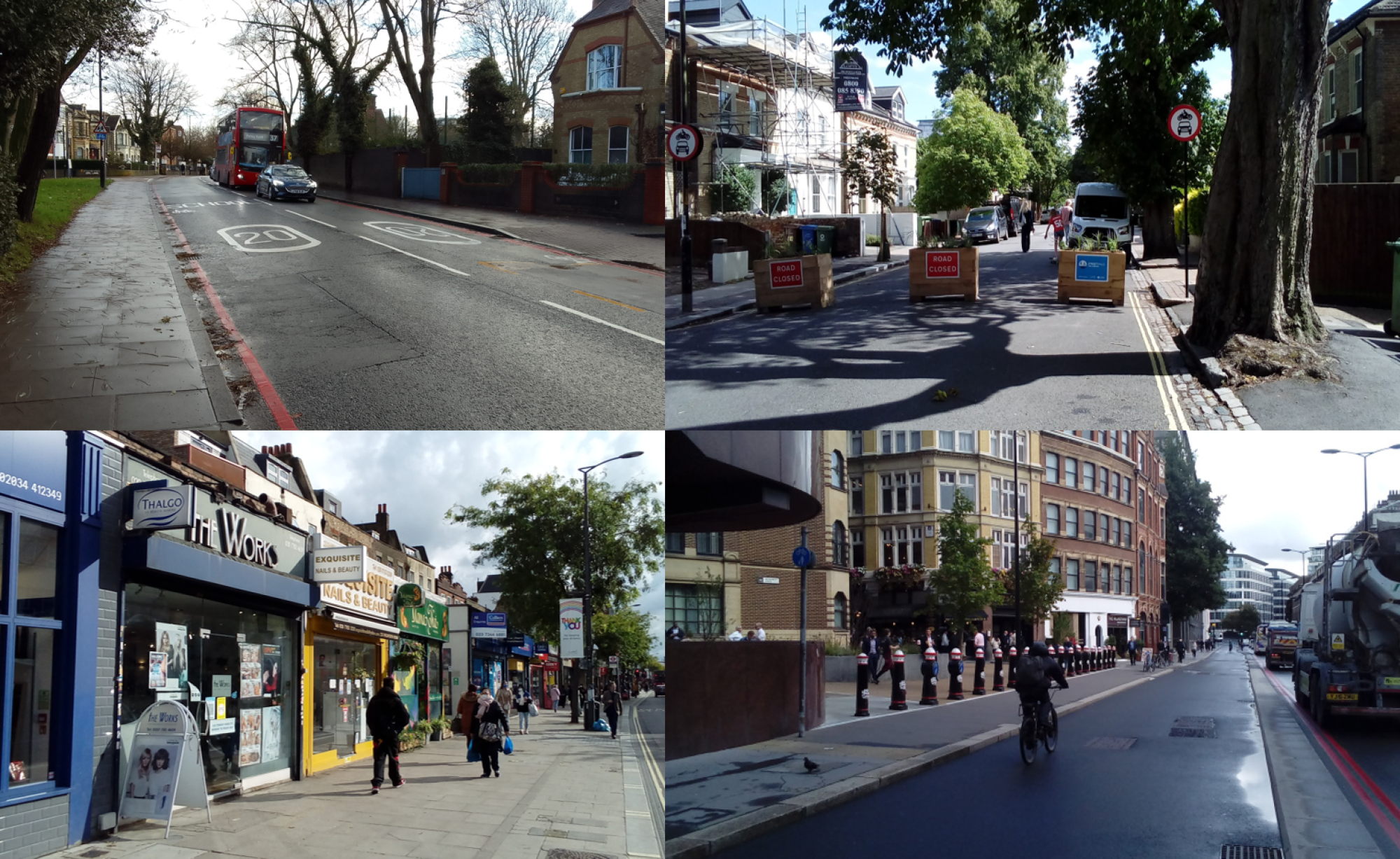
Action Vision Zero campaigns for Vision Zero to be based on road danger reduction.
Why Vision Zero?
Road traffic injury is the leading cause of death for those aged 5 – 29.
World Health Organisation
Some 1.35 million people are killed on the world’s roads each year. Another 20-50 million are seriously injured. Even in the UK, that has one of the world’s better road safety records, on average five people are killed on the roads every day.
The Vision Zero concept refuses to accept this astonishing level of danger on roads; the idea that death and serious injury are an inevitable part of moving within our road system.
It understands that people are fragile, that they make mistakes and that we need to build a system with layers of protection around them. In doing so it puts human life and health at the centre of how we design and manage our roads.
The Vision Zero for road casualties flows from a “Safe Systems” approach that has been adopted in many other industries and modes of transport to great effect. There are almost zero fatalities per billion miles in rail, compared to an overall rate of 5.4 on road transport (2018) with far higher levels for those walking, cycling and riding motorcycles .

Vision Zero was pioneered in Sweden in 1997. Many cities have adopted their own versions since, including more than 30 US cities such as New York, San Francisco and Chicago. In the UK, Transport For London (TfL) has set itself a target that by 2041 no one will be killed or seriously injured on the capital’s roads. Liverpool also adopted Vision Zero in 2017.
Despite initial successes in many of these cities, there has been some doubt about the long-term impact of Vision Zero, especially for vulnerable road users.
Sweden’s Vision Zero approach was accused by Vision Zero Cities Journal of being “disproportionately car-centric” with improvements such as safety measures in cars almost exclusively benefiting motorists. Meanwhile “vulnerable road users — the elderly, children, cyclists — continue, to a large extent, to die or get in collisions with motor vehicles at the same rate as before”.
This is partly because the measures aimed at reducing the risk to people walking or cycling have also discouraged that activity. Telling cyclists to wear fluorescent clothing, for example, or teaching children that roads are dangerous, could lead to a decrease in walking or cycling in general.
This bias in road safety management is unfair, giving the most dangerous modes of transport the best safety measures and the most benign modes the least protection.
Why Road danger reduction?
For far too long road safety measures have focused on hiding people away from the danger, behind barriers, beneath underpasses, or holding adults’ hands. We need road safety programmes that also boost the life and activity on our streets. In enabling more people to walk, cycle or take public transport, we can also remove the vehicles that are causing the danger. This is about removing danger at its source.
This approach is also called Road Danger Reduction, pioneered by the Road Danger Reduction Forum, and adopted in Transport for London’s Vision Zero approach. This strays from traditional methods for road safety that use casualty reduction as the dominant measure of success. Instead, it acknowledges that the principal source of danger on the road is motor vehicles and seeks to reduce this danger at source.
This approach, with less traffic at its core, also brings much wider benefits for society in terms of better health through increased activity and lower air pollution, lower carbon dioxide emissions and stronger communities.
Above all this approach is fair: it provides greater focus where there is greatest risk (the most vulnerable people on roads) and gives everyone, whether or not they own a car, open and safe access to our networks of roads, streets and public spaces.
Prioritising the safety of active road users also means caring about justice. Pedestrians and cyclists are most likely to suffer in a collision with a motor vehicle. Collision investigations need to be thorough if criminal culpability and civil liability is to be determined fairly. We also need our enforcement systems to focus on reducing harm posed to those more vulnerable.
This is not going to be easy. It requires brave leadership and difficult political decisions to reverse a long history of road building and promoting travel by private motor vehicle. But the potential rewards for us all are huge.
We need Vision Zero programmes to compliment our decarbonisation programmes, and public health efforts–this means basing it on road danger reduction.
 actionvisionzero.org