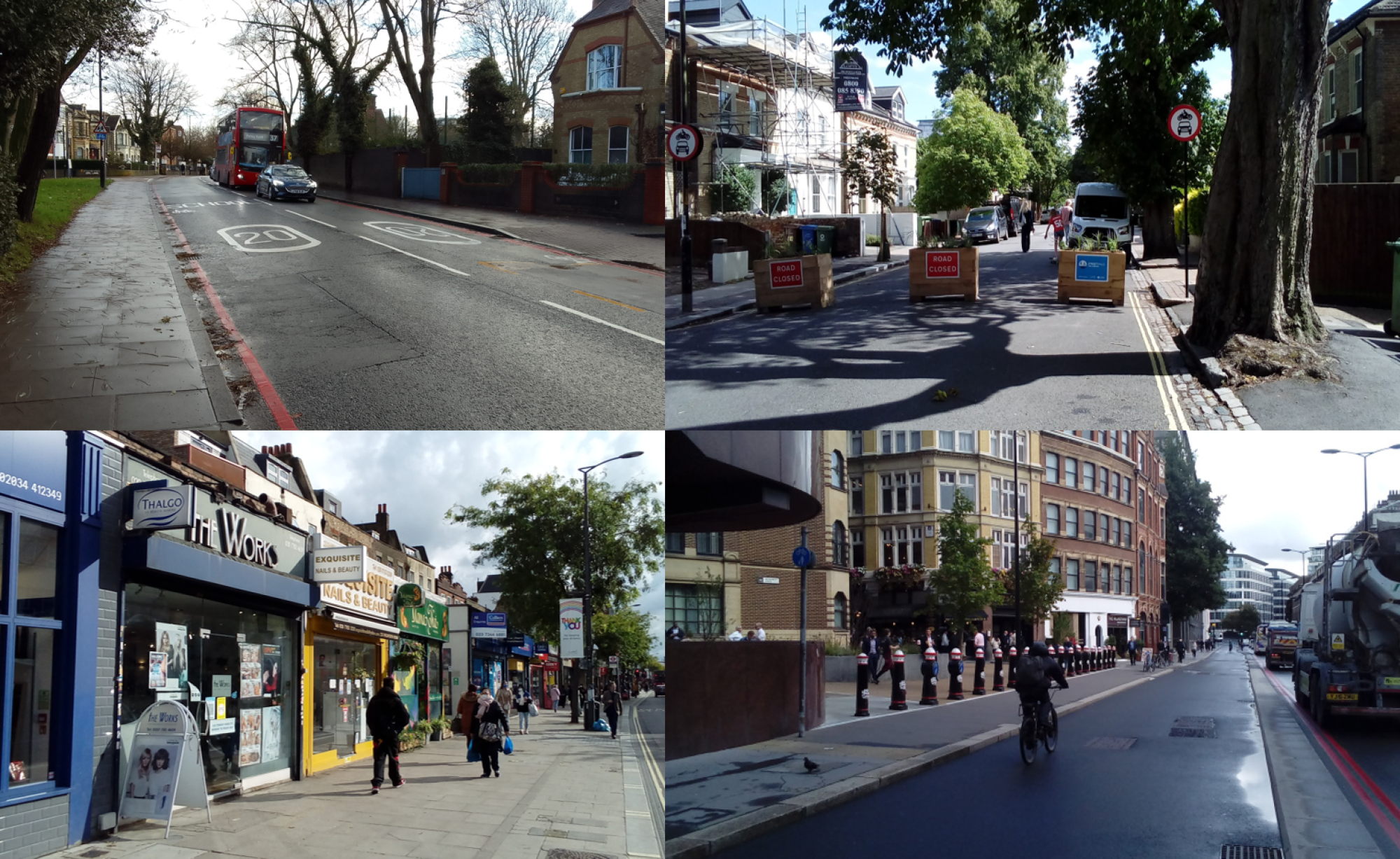
Holding drivers to account for posing harm to others.
KEY STATISTICS
Motoring offences dominate court prosecutions, convictions and sentences , yet are not a priority for the criminal justice system.
60%+
CONVICTIONS
Motoring offences account for more than 60% of court convictions
#1
COURT OFFENCE
Speeding is the leading offence convicted at court
1,533
CONVICTIONS
for Causing Serious Injury by Driving in 2025
13
DANGEROUS DRIVERS A DAY CONVICTED
2025 daily average
WHY IT MATTERS
Fair, consistent prosecution and sentences that deter are essential to traffic justice.
01
Fair and consistent prosecution
- Driving offences prosecuted at court range from lower culpability with the worst outcomes to flagrant law-breaking and extreme risk-taking.
- Victims and the public deserve to know that law-breaking drivers will be prosecuted and sanctioned for the harm they cause.
- Lack of clarity about careless driving and Grievous Bodily Harm means justice is not consistently delivered.
02
Sentencing that deters
- Sentencing aims include deterrence and rehabilitation, both of which can make roads safer.
- Disqualification is the principal way courts take unsafe drivers off the road but is too rarely used.
- Rehabilitation is very limited and needs to be extended beyond with drink drivers.
- Sentencing reforms presume against short custodial sentences of 12 months or under.
WHAT IS GOING WRONG
Outdated standards and a narrow focus on punishment weaken traffic justice.
Offences harming people walking and cycling lack priority
- Motoring offences dominate court activity but are not a priority for the justice system.
- CPS charging standards for careless and dangerous driving have not been updated in 20 years.
- Sentencing Guidelines for speeding have not been updated in almost a decade.
- There is no specific Fail to Stop offence involving death or serious injury, despite families campaigning for over 10 years.
- The long-promised review of driving offences has not begun, and the system does not reflect harms such as close passing.
Lack of transparency and accountability
- It is unclear why so few Causing Serious Injury by Driving offences are prosecuted, as CPS guidance says the driver need not be the sole, substantial or major cause–or even who is deciding No Further Action.
- Causing Serious Injury by Driving requires Grievous Bodily Harm, but the severity threshold is poorly defined and not consistent with DfT’s.
- There is no agreement on good practice. The police and CPS inspectorates have never reviewed Causing Serious Injury by Driving cases, and it is over 11 years since they reviewed fatal road crashes.
Sentencing focused on prison and punishment
- Recent reforms focus on reducing imprisonment but only 1% of motoring offenders are sent to prison; effective alternatives are more important.
- Rehabilitation programmes are available for drink-driving but not other driving offences.
- Disqualifications remain rare, guidance discourages discretionary bans, and there has been no review of why strengthened exceptional-hardship guidance has not increased totting-up bans.
WHAT NEEDS TO CHANGE
Reform charging, scrutiny and sentencing to reduce future harm.
01
Update charging standards and legislation
- Update CPS careless-driving standards to reflect the Road User Hierarchy and clarify where criminal culpability begins.
- Agree and consistently apply the serious injuries that qualify as Grievous Bodily Harm.
- Create a specific Fail to Stop offence involving death or serious injury, with appropriate penalties.
- Review motoring offences according to harm posed to others, compare impaired and sober driving offences, and consider a close-pass offence.
02
Review death and serious-injury prosecutions
- The police and CPS inspectorates should review the investigation and prosecution of Causing Serious Injury by Driving, including reasons for No Further Action.
- A review of fatal collision investigation and prosecution should examine implementation of the 2016 Joint-Inspectorate report.
03
Ensure sentencing deters
- Update Sentencing Guidelines for speeding, and make fine unlimited.
- Review the effectiveness of exceptional-hardship guidance.
- Offer rehabilitation for more drivers convicted at court.
- Consider alternatives including speed limiters and short-term licence suspension.
AVZ ACTIVITY AND PROGRESS
Monitoring outcomes and making the case for evidence-led reform.
- Monitor
Analyse criminal-justice statistics on prosecutions and sentencing for motoring offences. - Publish
Produce briefings on disqualification, speeding and careless-driving bans, including comparisons between police-service areas. Track prosecutions and convictions for careless and dangerous driving. - Advocate
Call for a review of the low number of Causing Serious Injury by Driving prosecutions. - Raise awareness
Explain the limited evidence that tougher sentences deter, and why criminality must first be detected and prosecuted.
EVIDENCE AND BRIEFINGS
Official reviews, guidance and AVZ analysis.
CRIMINAL COURTS REVIEW
July 2025
Independent Review of the Criminal Courts: Part 1
AVZ RESPONSE
Date not supplied
Independent Sentencing Review
Link to be added
AVZ RESPONSE
April 2025
Criminal Courts Review
Link to be added
AVZ BRIEFING
Date not supplied
Disqualification
Link to be added
AVZ BRIEFING
Date not supplied
Prison and motoring offences
Link to be added
SENTENCING COUNCIL REPORT
Date not supplied
Serious Motoring Offences consultation report
Link to be added
AVZ RESPONSE
Date not supplied
Disqualification consultation
Link to be added
AVZ RESPONSE
Date not supplied
Serious Motoring Offences consultation
Link to be added

