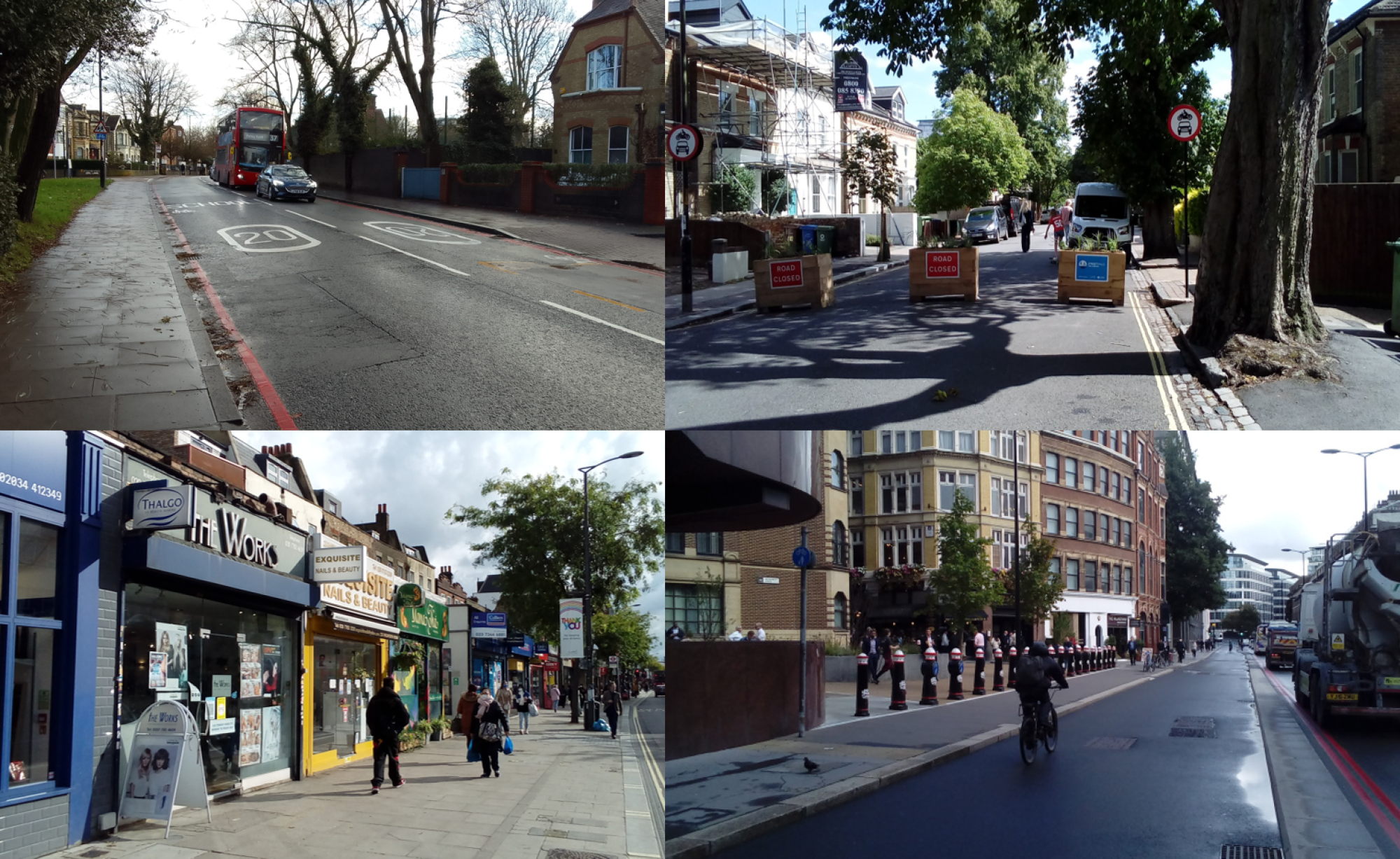
A London where no one is killed or seriously injured, or too scared to cycle.
KEY STATISTICS
London is making progress, but death, serious injury and intimidation remain.
96
PEOPLE KILLED
in crashes in London in 2025
11
EVERY DAY
Pedestrians and cyclists reported seriously injured on average
22%
of Londoners cycle in a year
over 50% speeding offences
20 MPH ROADS
More than half of speed enforcement is on 20 mph roads
WHY IT MATTERS
Road-danger reduction must cut casualties, enable active travel and reduce motor-vehicle dominance.
01
Reducing casualties
- London Vision Zero Action Plan 2 aims to reduce people killed and seriously injured by 65% by 2030 and eliminate deaths by 2041.
- In 2025, 96 people were killed and another 3,900 were reported seriously injured, including more than 1,000 very seriously injured.
- Pedestrians and cyclists are at particular risk, including on 20 mph roads where three quarters of reported cyclist KSIs and two thirds of pedestrian KSIs occur.
02
Increasing active travel
- Cycling accounts for 5% of trips, but only 22% of London residents cycle at least once a year.
- Many people will not cycle until it is perceived to be safe.
- The Mayor’s Transport Strategy aims to increase walking and cycling.
03
Reducing motor-vehicle travel
- Reducing motor-vehicle dominance requires fewer motor-vehicle trips.
- Motor-vehicle travel causes other harms, including air pollution.
WHAT IS GOING WRONG
Serious injuries are rising and responsibility is fragmented.
What is going wrong
- Reported serious injuries are increasing because cyclist serious injuries have risen, although cycling has grown faster.
- Speed remains too high, with speeding a factor in half of road deaths.
- Perceptions of danger continue to deter many people from cycling.
- The decision not to introduce London-wide road-user charging removed a major opportunity to reduce motor-vehicle trips.
- Funding pressures deter higher-cost measures.
Key partners and constraints
- The Metropolitan Police prioritises other high-profile demands, including knife crime and Violence Against Women and Girls.
- Borough officers with little training investigate serious- and slight-injury collisions at the scene.
- Responsibility is shared with boroughs, including some that remain car-focused and resistant to 20 mph limits.
WHAT NEEDS TO CHANGE
Three priorities for London.
01
Reduce speed
- Focus enforcement on 20 and 30 mph roads.
- Address why so few disqualifications are given to speeding and careless drivers.
02
Increase compliance
- Roll out Intelligent Speed Assistance across local-council fleets and government contracts.
- Invest in the Met’s Public Reporting Scheme and improve its sanction rate.
- Monitor perceptions of safety and near misses when identifying risk.
03
Reduce traffic
- Introduce road-user charging at a local level, if not London-wide.
- Increase use of LTNs.
- Increase parking charges, particularly for SUVs.
AVZ ACTIVITY AND PROGRESS
Working with London partners and holding delivery to account.
- Participate
Contribute actively to the London Vision Zero Enforcement Reference Group, London Vision Zero Steering Group and London Healthy Streets Coalition. - Lobby
Press for greater priority for speed reduction and improvements to the Met’s public-reporting scheme. - Monitor
Track Metropolitan Police activity, especially speed enforcement and public reporting, and publish criminal-justice briefings for London. - Improve investigations
Advocate for better practice through the London Serious Injury Collision Investigation Working Group.
EVIDENCE AND BRIEFINGS

