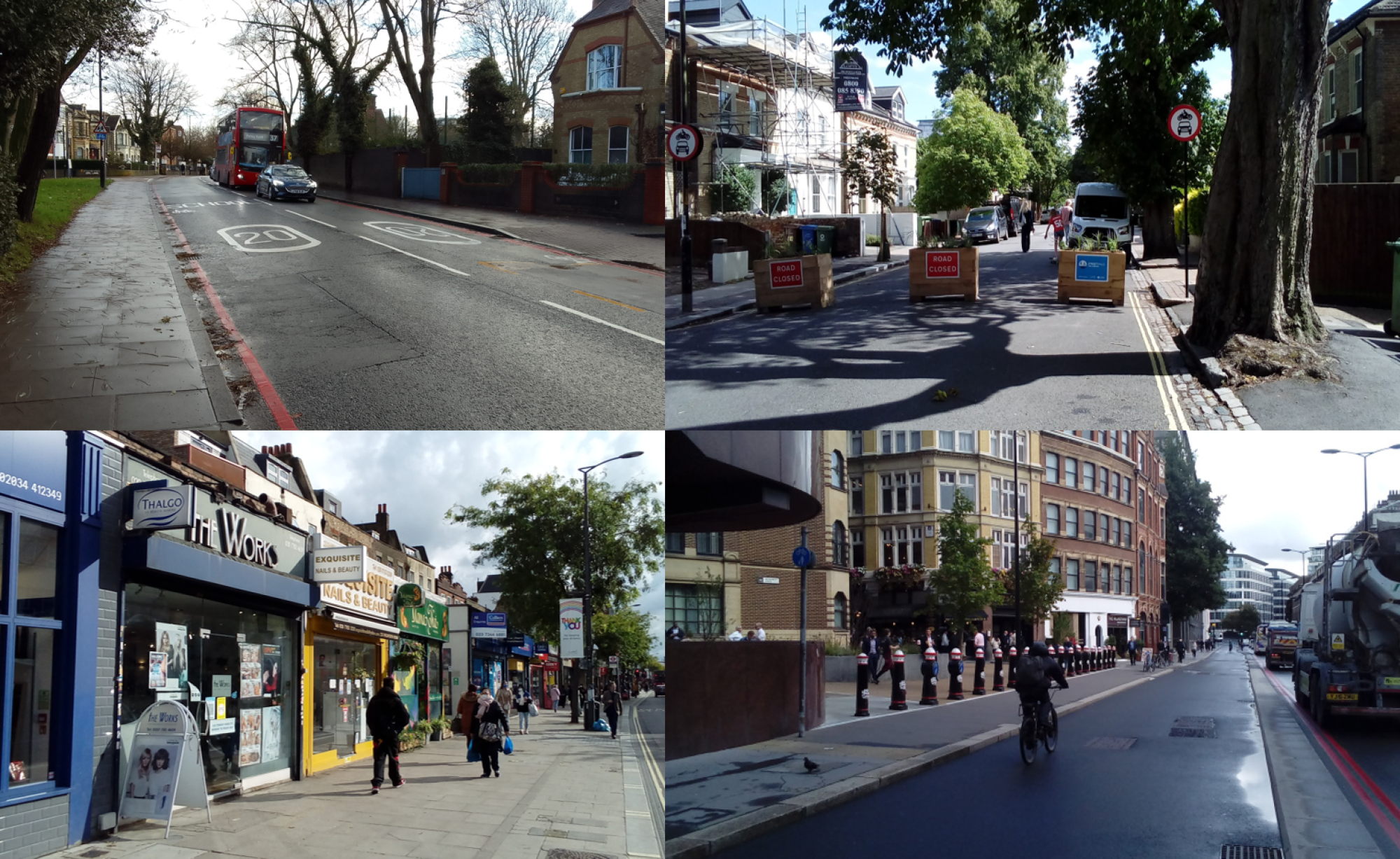
Speeding is the key driving offence – the most common and most consequential, but also the most tolerated.
KEY STATISTICS
Speeding dominates motoring enforcement.
Over ¾
OF SANCTIONS
Speeding accounts for more than three quarters of all motoring offences sanctioned
93%
OUT OF COURT
of speeding offences are sanctioned without a court hearing
£100
FIXED PENALTY
The speeding fixed penalty has not been updated in a decade
<4%
DRIVERS BANNED
of speeding drivers convicted at court were disqualified in 2025
WHY IT MATTERS
Speeding increases collision risk, worsens the consequences and intimidates people.
01
Why speed enforcement matters
- Speed enforcement dominates traffic law enforcement.
- Speeding is much more common than any other driving offence.
- Speeding is the only offence that both increases the risk of a collision and worsens its consequences.
- Pedestrians are five times more likely to die when hit at 30 mph than at 20 mph.
- Speeding intimidates people and deters active travel.
- Speed offences are the leading offence prosecuted, convicted and sentenced at court.
WHAT IS GOING WRONG
Speeding is common, lightly sanctioned and poorly monitored.
Lack of priority
- Fear of losing drivers’ support discourages policymakers from tackling speeding. The Netherlands sanctions twice as many speeding drivers as England and Wales and is about to double its speed cameras.
- Speed cameras require Home Office approval, which is very slow.
- Limited speed enforcement and illegal number plates mean drivers do not fear being detected speeding.
- Freedom of Information responses show enforcement is often concentrated on higher-speed roads, despite most pedestrian and cyclist KSIs occurring on 20 and 30 mph roads.
- Communications campaigns focus on the remote chance of causing death, rather than the much more common harms of injury and intimidation.
- Government could design in compliance by requiring Intelligent Speed Assistance in its fleets and contracts, reducing the burden on enforcement.
Sanctions
- All money from fixed penalty notices goes to the Treasury and is not shared with local safety partnerships, unlike National Driver Offender Retraining Scheme course fees.
- Speeding sanctions have not been updated in ten years.
- Neither the Department for Transport’s Road Safety Strategy nor its 2026 Motoring Offences consultation mentioned tougher sanctions for speeding.
Lack of transparency
- Home Office data is published very late – the 2024 data was published in March 2026.
- Few police services have enforcement dashboards.
WHAT NEEDS TO CHANGE
Three priorities for tackling speeding.
01
Increase enforcement on 20 and 30 mph roads
- Aim for enforcement by speed limit to match the location of pedestrian and cyclist KSIs.
- Support community speed-watch programmes and highlight public support for enforcement and bans.
- Explore decriminalisation, allowing local councils to enforce speeding as in the Netherlands.
02
Update speeding sanctions
- Increase the minimum fixed penalty to £200 and introduce higher out-of-court fines for urban offences and more extreme speeding.
- Update the Sentencing Guidelines so more extreme and repeat offenders are banned and the maximum fine is unlimited.
- Share fixed-penalty income with local police and safety-camera partnerships.
03
Increase transparency and accountability
- Adopt speed-enforcement plans and clarify how speeding will be tackled.
- Introduce local enforcement dashboards showing where and how much enforcement is taking place.
AVZ ACTIVITY AND PROGRESS
Monitoring enforcement and pressing for stronger action.
- Monitor
Track speed enforcement and outcomes in England and Wales, with a focus on London. - Advocate
Press for more enforcement on lower-speed roads in London. - Collaborate
Work with 20’s Plenty for Us to promote 20 mph limits and compliance. - Reform sanctions
Lobby for updated speeding sanctions and Sentencing Guidelines, including through the Sentencing Council.
EVIDENCE AND BRIEFINGS
Evidence on safe speeds, enforcement and sanctions.
HOME OFFICE STATISTICS
March 2026

